

Autism coaching that holds the whole complexity of autistic life: the struggles, the potential gifts, and the unique way autism shows up in you.
Autism coaching can be supportive in finding a sense of meaning and identity, whether you have a formal diagnosis or not. You may be self-diagnosed, or just starting to wonder whether you might be autistic, and you might have other diagnoses as well as autism.
Why autism coaching?
Autism coaching can be supportive in finding a sense of meaning and identity, whether you have a formal diagnosis or not. You may be self-diagnosed or wondering whether you might be Autistic, and you might have other diagnoses as well as Autism.
It can be overwhelming navigating life with Autism, especially if you haven’t had the information or support you need to thrive. We're deep processors who think differently, and it can be easy to get stuck in so-called overthinking. I won’t minimise this, or make light of what you’re dealing with.
Having said that, the challenges of Autism can become more manageable and easeful over time. When you understand yourself in a more compassionate way, and can advocate for your needs, you can start to fully embrace the unique way you experience life.
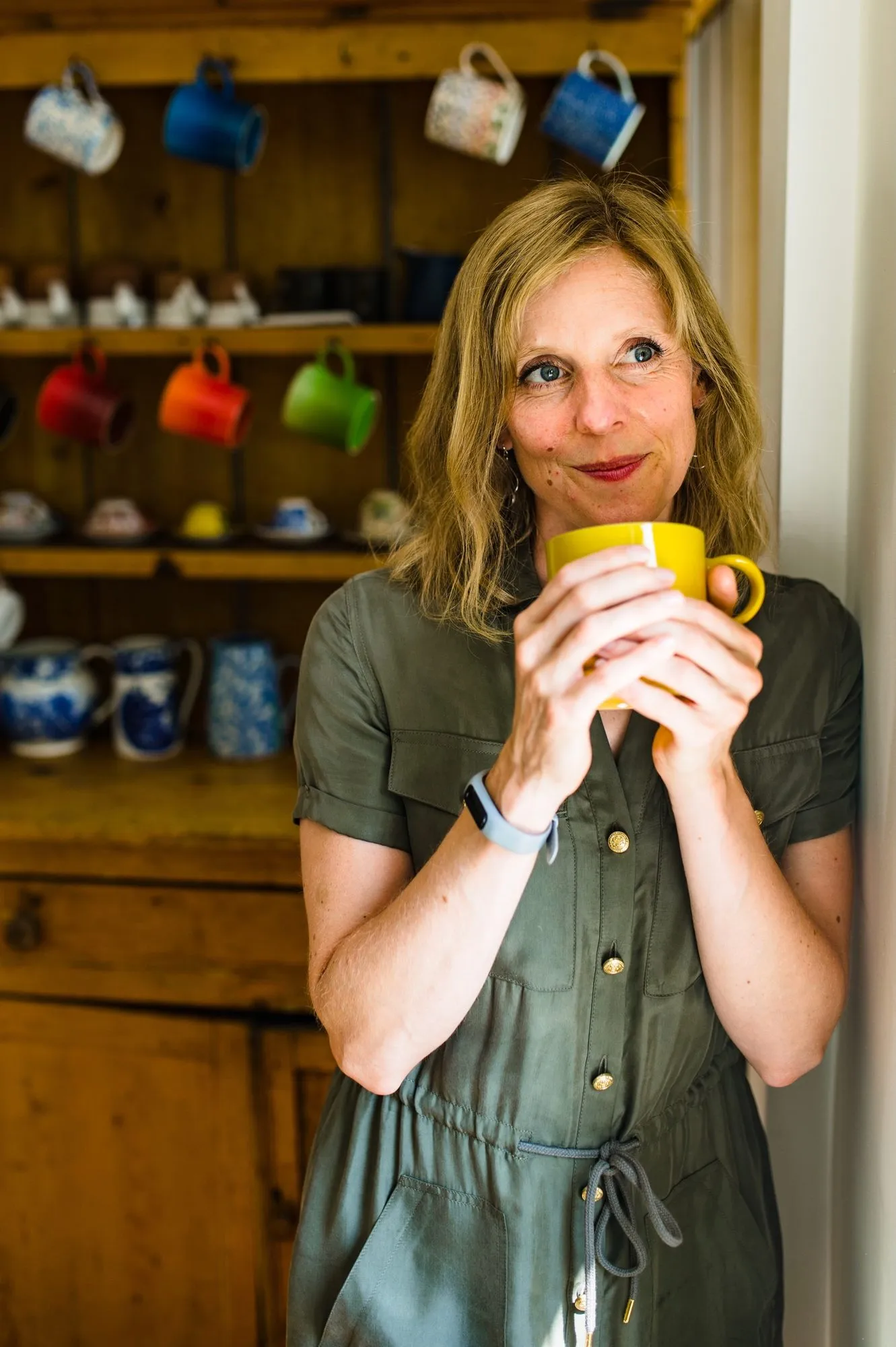
.jpeg)
Over time you build a clearer, kinder understanding of how you experience autism, and what it means to you. You get more specific about your needs and how to express them, and you start building a lifestyle and a way of working that's actually sustainable.
What we work on in autism coaching, and how it helps
The coaching process is unique to your goals and what you'd like to work on, and there's nothing you're meant to know in advance. You may be really clear on your goals, or it might be something we figure out together. There's no set programme, but these are some areas that often come up.
Sensory processing
Understand your unique sensory profile, and develop strategies to avoid or manage sensory overload. We look at what your environment is actually asking of you, and what would need to change for daily life to cost you less.
Masking and camouflaging
Exploring the impact of camouflaging, and ways to build confidence in your authentic self. We go at your pace here, because unmasking isn't all-or-nothing and it isn't safe everywhere.
Executive functioning
Understanding day-to-day experiences such as planning, time management and dealing with change, then designing approaches that support and optimise rather than fight how your brain already works.
Emotional regulation and relationships
Managing your emotions, and considering the boundaries and communication that would support healthy and happy social connection, whatever that means for you.
Energy management
Considering your experience of overwhelm and burnout, and ways to support you with meltdowns and shutdowns. We build in recovery deliberately, rather than only noticing when you've already gone past your capacity.
Why I specialise in autism coaching
Being diagnosed with autism - alongside ADHD and dyspraxia - in my late thirties changed everything. It made sense of the intensity of my life up to that point: the constant effort to keep up, the mismatch between what I knew I was capable of and what actually showed up on the outside.
As that self-understanding grew, my coaching evolved too. I moved into specialising in neurodiversity, grounding my coaching in lived experience as well as professional training.
I work with autistic clients because for me it changed everything to finally understand why non-autistic therapists and coaches had struggled to make sense of me. We don't always need the same kind of support as other people, and my clients say it makes all the difference to work with a coach who just 'gets it'.
Some things to know about me
I love dancing, making art, and jumping in the sea whenever I can.
You’ll often find me cooking up a storm at home, or heading out for a long walk to decompress.
Creativity is a big part of my life, and before becoming a coach, I ran creativity retreats where we used collage and painting as tools for self-discovery.
I live in Bristol, though I’m originally from Ireland and try to get back there a couple of times a year to catch up with family.
Click below if you'd like to explore my professional training and credentials.
How autism coaching works
Coaching with me follows a clear structure, but it’s not rigid or linear. We roughly follow these stages within a session, and across the coaching progress as a whole - but we jump around them too as new insights and learning come in.
Between sessions, you’ll take actions that match your goals and capacity: sometimes small experiments, sometimes bigger steps than you thought were possible. We review what happened together so you can see what’s working, make adjustments and keep momentum.
Clarifying what you want
Setting goals can be a nightmare when you’re neurodivergent. You can’t decide, or it’s hard to believe you can actually get there because you’ve failed in the past. We take all of that into account and spend time finding out what you really want and how you can actually get there this time.
Understanding what’s been in the way
We look closely at what’s been holding you back or keeping you stuck; getting specific and realistic about the obstacles through the lens of neurodivergence. We also get clear on your neurodivergent traits and how they’re impacting you.
Creating new ways forward
During sessions we think together on your goals, and our conversations surface new insights and possibilities. Sometimes the focus is your inner world - shifting beliefs or perspectives, for example. At other times we’re designing practical steps towards your goals that feel sustainable and achievable.
Reviewing, adjusting and integrating
As you take action, we pay attention to your mind and body states. We celebrate progress, reflect on strengths, and anchor new beliefs about what’s possible. Transformation happens when we focus not just on what you got done, but on who you’re becoming in the process.
“
Christina's approach is kind, considered and non-judgemental. It has been truly enlightening being able to connect to someone else with a similar neurological wiring! I can honestly say I took something away from each session that I’ll carry forward in my life, and it's made an incredible difference to me. I needed someone to validate my feelings from the aspect of neurodivergence, and I now feel like I know myself a lot better.

S
“
Christina helped me deepen my understanding of the beliefs that were standing in the way of success - beliefs that I can now see as something of the past. I’m moving forward with more awareness and a changed perspective. The work with Christina was really deep and fulfilling, she listened and held the space and directed the process to a fruitful end. She is a highly capable coach who provides a calm, safe and professional space.
IR
“
Christina has a lovely warm style when coaching. Her use of the right question as well as silence, gives you time and space to think, which helps you find your solutions. I highly recommend Christina as your Coach!
JB
1:1 coaching package
If you want to explore 1:1 coaching with me, book in a free call and we'll talk it through together.
Using Access to Work funding?
I offer price adjustments and different package structures if needed for those using Access to Work funding - book in a free call and we'll figure it out.
FAQs
Common questions people ask before we start working together.
Our focus in coaching is your unique experience of life, so the coaching is just as effective even if you aren't sure about a particular diagnosis. Even people who have the same diagnosis will have completely different traits and lived experience. We can map out your traits, and work towards the outcomes you want in a way that works for your brain without needing to know which clinical diagnoses would apply for you.
No. Plenty of the people I work with are self-identified, on a waiting list, or still working out whether they want a diagnosis. What we work from is how things are for you day to day, and any support you need through the diagnostic process.
You don't have to wait unless you want to, and it's useful because you can start putting positive changes in place before getting assessed. It can also mean you go into your assessment feeling more confident and better prepared for the process.
Yes. Many autistic and ADHD clients come to coaching feeling exhausted from masking, or just figuring out that they've been masking for a long time. I won't push you to change anything, as only you can decide when, where and how it feels right for you to unmask. A lot of masking is unconscious and we can work in coaching on understanding the deeper layers of masking where it can feel hard to distinguish between yourself and your mask.
A lot of my clients have sensory processing differences, and experience high or low sensitivity in different areas. I am aware of this in terms of your needs during coaching sessions, and it's something that we can focus on in the coaching too. Positive shifts come from understanding your needs, adapting how you go about your daily life, and making changes in terms of your internal narrative and relationships too.
I'm happy to do voice only sessions with the camera off. I default to video calls because it's helpful for me to be able to see your body language and facial expressions as we talk, but the most important thing is that you feel comfortable. So if you are better able to focus with camera off, or you feel more comfortable that way for any reason, just let me know.
Yes it can. I've experienced autistic burnout and worked with many clients in their recovery too. You'll need to be at a point in your journey where you have the energy to have conversations, and feel ready to explore ways to recover further and prevent future burnout. If you are at a crisis point in terms of burnout I might refer you to a therapist or another service, but you can book in a chat to explore whether you're ready for coaching.
Need more information?
Book a free 30-minute call and ask me anything that isn't answered here.
Download your free self-confidence workbook
Exercises and prompts to build your confidence, develop genuine self-belief, and be more compassionate with yourself over time. Free, and yours to work through at your own pace.